
 Help
Help
Written by Isobel Krüger
Isobel is a health and fitness writer, and also a health and fitness fanatic in real life. She loves researching the latest health and fitness topics and trends that can make life healthier, happier, and easier.

Fact checked by Dr. Olena Avdiievska, MD, RDN
Dr. Olena Avdiievska is a nutritional and medical expert at Unimeal. She is an MD and RDN in Dietology and nutrition and a university professor with 76 scientific publications.
Gluten is a protein found in certain grains like wheat and rye, and it can negatively affect individuals with gluten sensitivity. However, grains like pseudocereals are considered gluten-free. If you have an adverse reaction to gluten, this comparison can help you choose the best grain options.
Gluten-free grains are options that don’t cause symptoms or adverse side effects for individuals who have celiac disease, gluten sensitivity, and other gluten-related allergies.1Magistris, L. de, & Luigi Vanvitelli April 12, 2016 Double blind randomized placebo controlled multicenter trial (gluten vs placebo) in gluten sensitive subjects. Clinicaltrials.gov. Retrieved from https://clinicaltrials.gov/ct2/show/NCT01485341
Eat tasty food and lose weight with Unimeal app!
Take a Quiz – Get personal meal plan – Achieve your weight goals!
Start Quiz
Soy is a protein-rich option that is high in fiber and low in cholesterol, making it a great gluten-free alternative. It's also a versatile option as you can use soy milk, tofu, soy beans and edamame beans for cooking to create delicious, heart-friendly dishes.
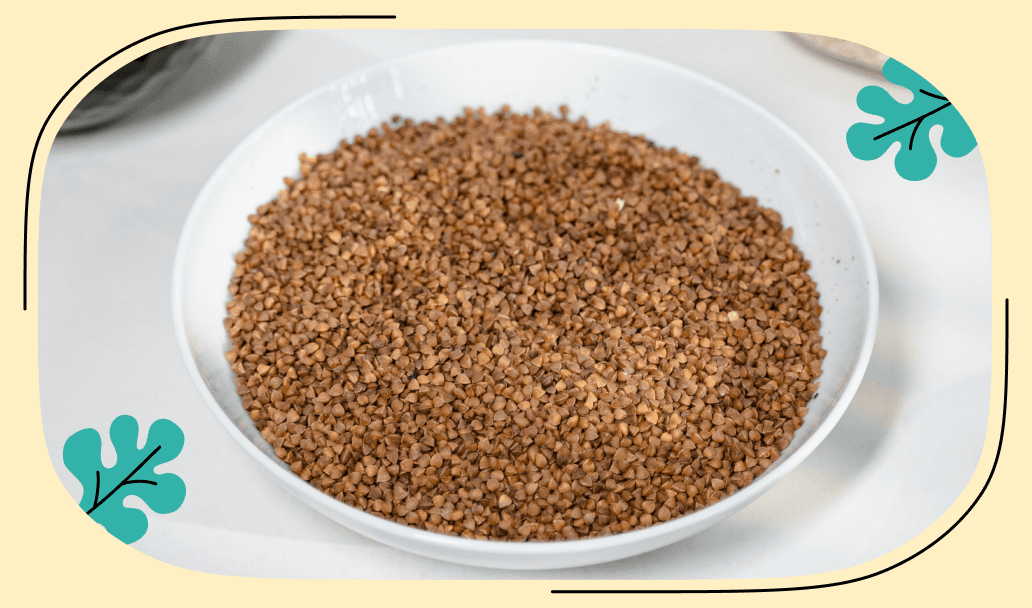
Buckwheat comes from a plant named Fagopyrum esculentum plantis with family members like rhubarb. This ancient grain is filled with fiber, protein, potassium, magnesium, and calcium for a smart gluten-free grain choice. This nutrient-rich grain can also help lower blood pressure and has heart-health benefits.2Kim, D. W., Hwang, I. K., Lim, S. S., Yoo, K.-Y., Li, H., Kim, Y. S., Kwon, D. Y., Moon, W. K., Kim, D.-W., & Won, M.-H. 2009 Germinated Buckwheat extract decreases blood pressure and nitrotyrosine immunoreactivity in aortic endothelial cells in spontaneously hypertensive rats. Phytotherapy Research DOI:10.1002/ptr.2739
Millet is a group of grains known for their small and round shape. It’s primarily farmed in parts of Asia and Africa, and as it’s a cereal grain, it’s naturally gluten-free. If you're looking for a gluten-free alternative that is good for your heart and your gut, this protein and fiber-rich option is for you.
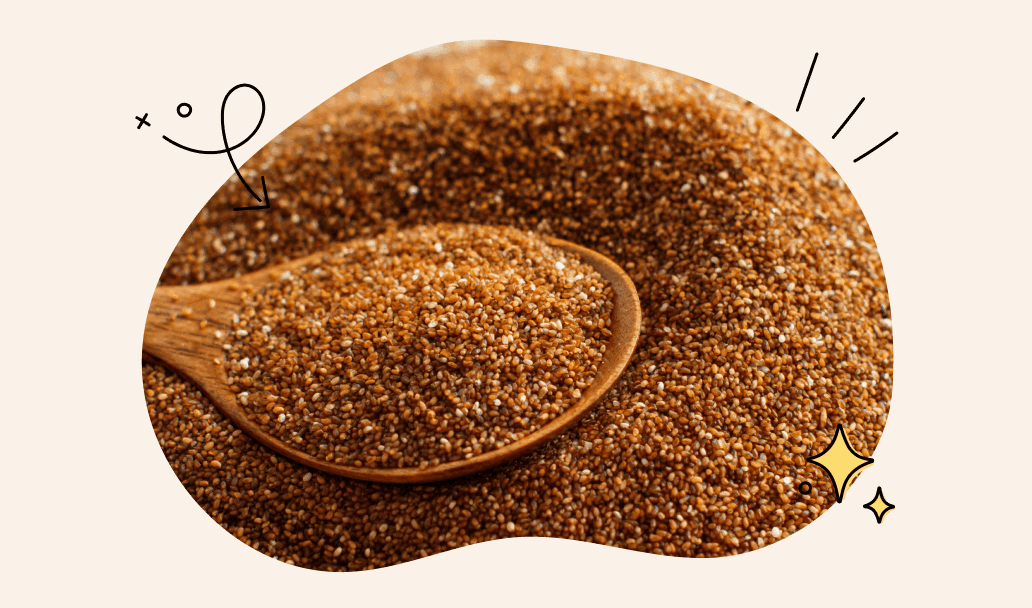
This tiny grain is more or less the size of a poppy seed and is also a member of the ancient grains family. Teff can be brown, red, or white, and it is a fantastic source of protein, fiber, and iron. Get a great iron boost by adding Teff to your diet.3US Department of Agriculture January 4, 2014 FoodData Central: Sorghum grain Fdc.nal.usda.gov Retrieved from https://fdc.nal.usda.gov/fdc-app.html#/food-details/169716/nutrients
Hominy is dried, whole corn kernels that undergo a process called nixtamalization where the corn is made more alkaline. It’s a fantastic ancient grain to add to your list, especially if you're focusing a low fat intake.
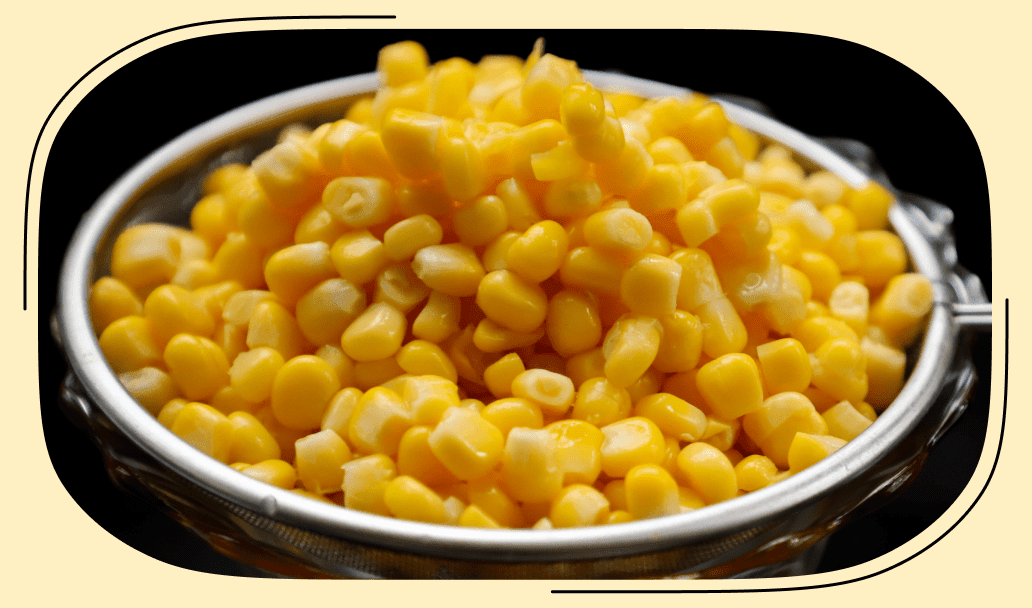
Corn or maize is a carb-rich staple most of us are familiar with. Healthy options include corn off the cob and maize flour, which is commonly used to make a type of porridge cooked in water and milk. Polenta is also made from corn, but it’s not always gluten-free. So, in this case, it’s best to check the packaging.
Sorghum is a cereal grain that makes for a delicious alternative to rice and barley. Whether it's whole-grain sorghum, popped sorghum, or pearl grain sorghum, you'll be getting improtant nutrients like potassium, magnesium, and phosphorous.4US Department of Agriculture January 4, 2014 FoodData Central: Sorghum grain Fdc.nal.usda.gov Retrieved from https://fdc.nal.usda.gov/fdc-app.html#/food-details/169716/nutrients
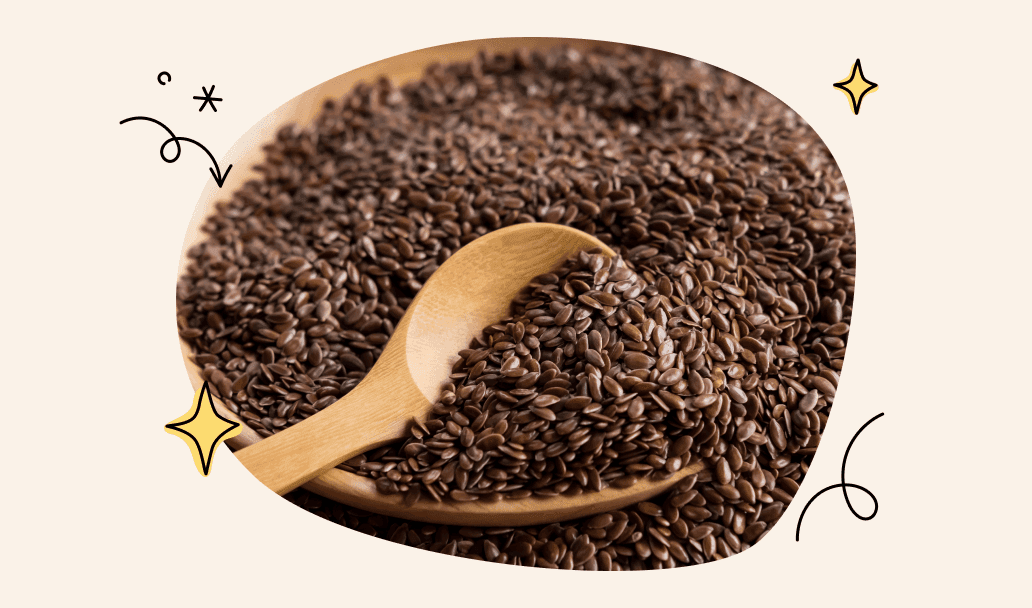
If you’re into gluten-free baking, using flaxseed is a top option. Flaxseed is an excellent source of Omega-3 fatty acids that help curb inflammation in the body. Flaxseed oil is a potent Omega 3-rich option for cooking.5MD, S. E. K., University of California, Davis, & Flax Canada 2015 Inc. October 25, 2012 Understanding the effects of omega-3 fatty acids vs. lignans in flaxseed on metabolic and inflammatory markers leading to diabetes and cardiovascular disease. Clinicaltrials.gov. Retrieved from https://clinicaltrials.gov/ct2/show/NCT00935922
Also known as a superfood due to its nutrient density, quinoa is a healthy source of whole-grain carbs. However, what makes quinoa so unique is that it its nutrient profile. Packed with protein, iron, magnesium, copper, and vitamin B6, you can't go wrong with Quinoa.6US Department of Agriculture 2020 FoodData Central: Quinoa, cooked Usda.gov Retrieved from https://fdc.nal.usda.gov/fdc-app.html#/food-details/168917/nutrients You can cook Quinoa using the same method you would when cooking rice.
Amaranth is similar to quinoa and is part of the ancient grains family. This grain is a stable source of protein, carbohydrates, and fat, and it also an incredibly rich source of manganese. Simply cook in water, drain, and you're good to go!
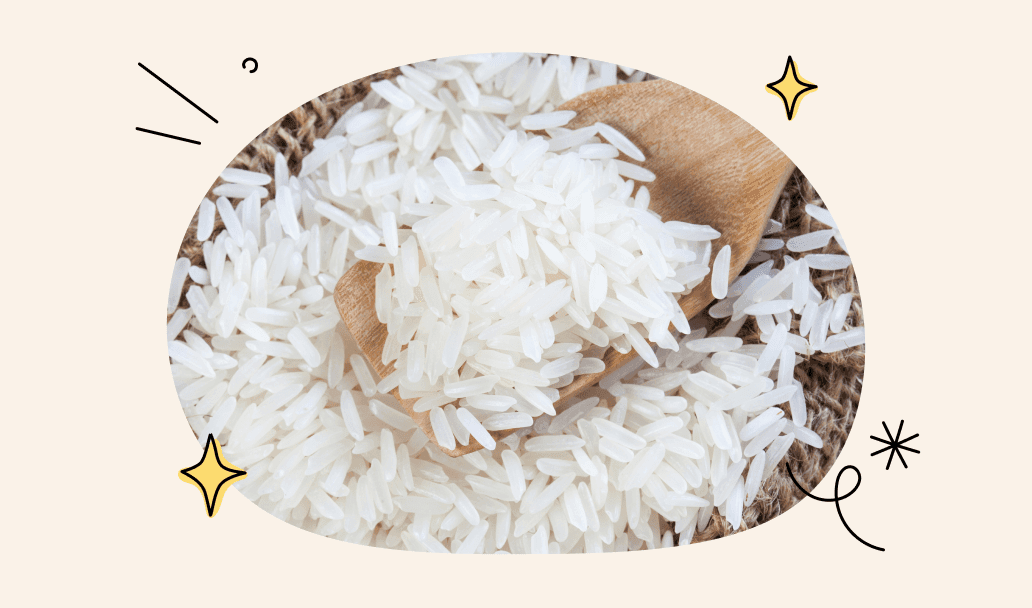
When it comes to gluten-free carbs, rice is always a popular option, as it’s available at every grocery store. It’s a staple carb for most of the world’s population and a super-healthy option. Rice is very high in carbs, so it's ideal for eating after a sweaty workout.
Grains containing gluten is not considered unhealthy, as long as it's not processed. They also have some great health benefits, so take a look:
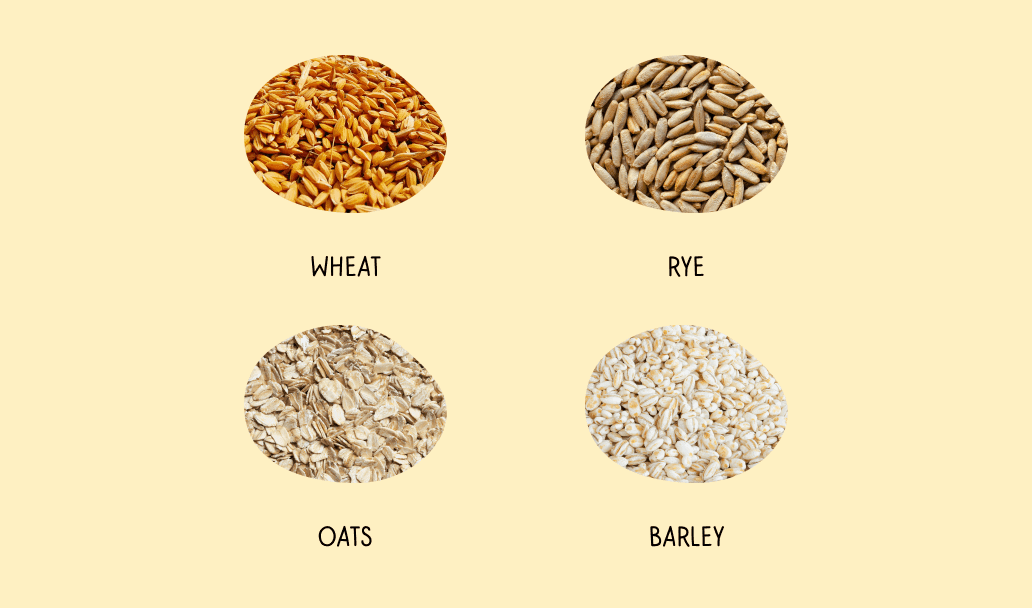
We’re all familiar with wheat as most bread and other baked goods are made using wheat flour. Wheat is the most common option for baking and is best consumed in a wholegrain form. Wheat is a potent grain containing loads of carbs, B-Vitamins, phytochemicals, and fiber.7Shewry, P. R., & Hey, S. J. 2015 The contribution of wheat to human diet and health Food and Energy Security DOI:10.1002/fes3.64
Rye is another gluten-rich grain - almost like wheat's second cousin. It's a versatile grain used for baking (rye flour) and to make alcoholic beverages like whiskey. Sources like rye flour and rye flakes are rich in important nutrients like Zinc, Vitamin E, and Phosphorous.8Keski-Rahkonen, P., Kolehmainen, M., Lappi, J., Micard, V., Jokkala, J., Rosa-Sibakov, N., Pihlajamäki, J., Kirjavainen, P. V., Mykkänen, H., Poutanen, K., Gunter, M. J., Scalbert, A., & Hanhineva, K. 2019 Decreased plasma serotonin and other metabolite changes in healthy adults after consumption of wholegrain rye: an untargeted metabolomics study The American Journal of Clinical Nutrition DOI:10.1093/ajcn/nqy394
You’ll usually find rolled or steel-cut oats in your local grocery store. Apart from making a tasty porridge, oats are also used for snacks and energy bars. Oats is great for your gut as it has anti-inflammatory properties as well as loads of fiber.
Farro is a lesser-known gluten-rich grain and is part of the ancient grains family. This grain has a superior amount of protein compared to other grains, making it a top option for high-protein meal plans.9Westerterp-Plantenga, M. S., Lemmens, S. G., & Westerterp, K. R. 2012 Dietary protein – its role in satiety, energetics, weight loss and health British Journal of Nutrition DOI:10.1017/s0007114512002589 You can cook pearled farro as you would rice, and it has a unique, nutty taste.
Barley is a versatile carb used in soups, bread, stews, and even some alcoholic beverages. It’s a high-fiber grain, making it a healthy and gut-friendly option if you don't have a gluten intolerance. Barley really is versatile; it's a main ingredient in many drinks, stews, soups, and other hearty dishes.
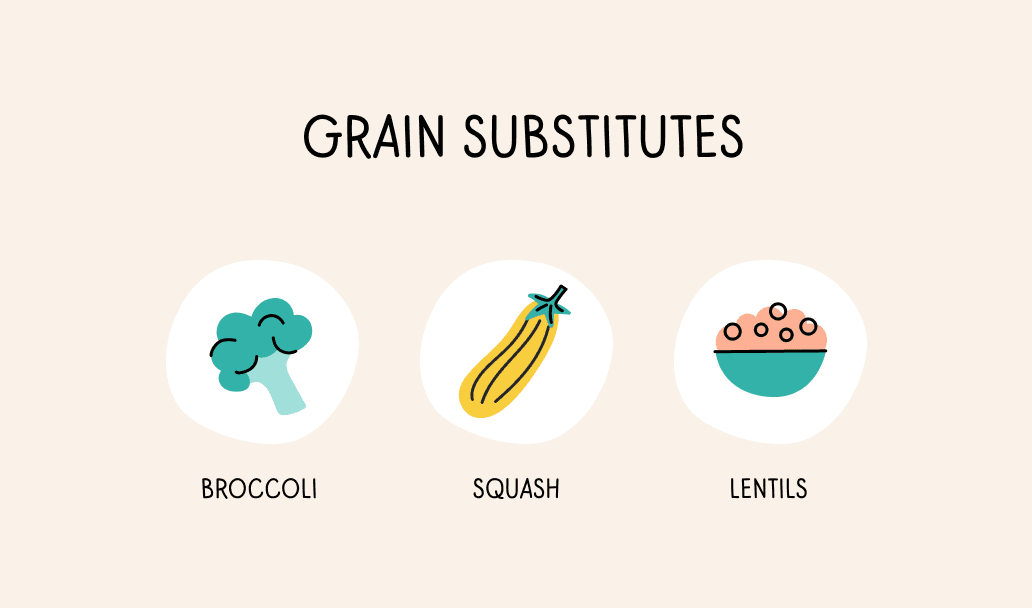
If you’re intolerant to gluten or cannot consume gluten-rich carbs due to medical conditions like celiac disease, there are loads of fantastic gluten-free substitutes available. Some are more well-known, but why don’t you try as many as possible? You never know; you might discover a new favorite!
Unimeal does not diagnose or suggest treatments. Any description of the diet, training plan or supplement should be discussed with your current physician or nutritionist. This article does not address specific conditions and is simply meant to provide general information on healthcare topics. Following any advice is at your own initiative and does not impose any responsibility on the blog authors for your health and safety.
Sources:
By choosing high-quality sources, we make sure that all articles on the Unimeal blog are reliable and trustworthy. Learn more about our editorial processes.
1.
2.
3.
4.
5.
6.
7.
8.
9.